


April 22nd is Earth Day, and it’s a great opportunity to introduce conversations with the children in your care about environmental conservation and reducing waste. Even very young children can learn about composting — in fact, learning these skills at a young age can help children develop a connection with nature and a desire to take care of our earth. This article shares a variety of ideas for helping young children learn about composting. These can be enjoyed as part of an Earth Day celebration, and year-round!

Composting might seem like a complicated topic, but it really is very simple! The first step is to help children understand the benefits of composting. Help children to understand that composting is helpful to the environment and their community. Here are a few ideas for getting started…
Start with soil exploration: Allow children to investigate soil from your garden or yard. You might share a few different kinds of soil and dirt in different containers so that children can see the differences in color and texture. Use magnifying glasses so children can get an up-close look at the soil and ask questions about what they see.
Read books or watch videos about composting: Caregivers and educators don’t have to be experts in composting to teach children. Reading books and watching videos is a great way for you and the children to learn together. Here are a few good selections for learning about the basics of composting:
Children’s books: Compost Stew, Composting: Nature’s Recyclers, The Chicken and the Worm
Practice Sorting Items: The compost recipe is one part greens to 2-3 parts brown. You can teach the kids that greens are fresh trimmings and food scraps and browns are dried-up, crunchy materials. Allow children an opportunity to practice sorting different items into different piles. This activity is also great for sensory exploration, and early math skills as children practice sorting and categorization.
Help children understand what can and can’t be composted: What can be composted? Fruit and vegetable scraps, eggshells, coffee grinds, grass clippings, leaves, twigs and branches, newspaper, and coffee filters. What can’t be composted? Meat, fat, bones, cheese, milk, oils, diseased plants or flowers.
When children learn about composting, they also learn a variety of other skills…
Biological sciences: Learning about composting helps children to learn about the basics of soil, oxygen, decomposition, and how food waste breaks down. If you are using compost in a garden, children can also learn about the way that different organic materials can nourish plants and help them grow.
Environmental consciousness: When children learn about how their actions affect our environment, it helps them to understand the importance of making environmentally friendly choices, even while they are still very young. And, when these lessons are learned early in life, children continue their ecological choices as they get older!

You can find an easy-to-set-up composting system that uses everyday items on the PBS kids website.
This activity is especially fun for young children, as the clear container allows them to observe changes to the compost each day. You might even set up a couple in your classroom so that children can observe changes in different compost materials.
Click here for the full instructions for setting up this project.
If you’re not quite ready to get started with composting, you might enjoy trying out some simpler activities using soil and mud as paint for art!
Click here to visit kidsgardening.org to learn about a fun soil art activity.
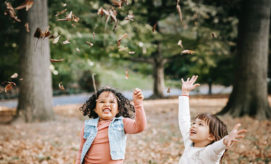
Pre-Recorded Webinar: The Benefits of Nature & Messy Play 
Friendship Fruit Salad
