


The summer months bring a variety of vibrant seasonal produce, with flavors, colors, and textures that invite children to learn through sensory exploration. In this article we share activities, recipes, and stories that feature three summer fruits and veggies– tomatoes, zucchini, and peaches! We also share tips for using these activities to encourage healthy eating, introduce basic science concepts, and celebrate curiosity and sensory learning.
Tomatoes are a summer fruit that is in season in July, August, and early September in most regions. Their vibrant colors and variety of shapes and sizes invite children to compare, contrast, and explore.
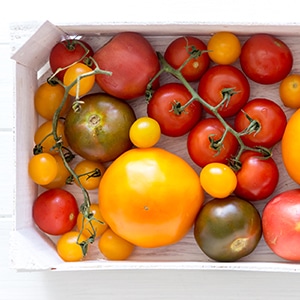
Tomatoes come in a variety of sizes, colors, shapes, and varieties that can be observed, explored, sorted, and turned into an engaging sensory experience. Here’s an easy-to-set-up activity that will tap into children’s curiosity and sense of discovery.
Pick up a variety of tomatoes at your local grocery store (or ask families whether they have homegrown tomatoes that they can share with your classroom), and set them out on a tray or large container. Try to include tomatoes in a variety of colors, shapes, and sizes, and add in a few that you have cut in half, so both the inside and the outside of the tomatoes can be observed. Invite the children to notice the color, size, texture, and smell of each tomato – and to note similarities and differences between them.
You might also set aside some tomatoes that are still connected to their stems or vine, so you and the children can talk about where and how tomatoes grow. At the end of this sensory activity, offer children a few clean slices of tomato to taste!
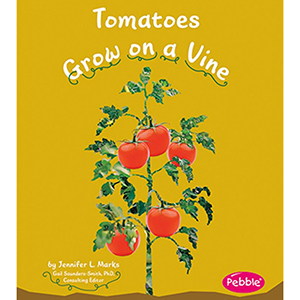
This children’s picture book, written by Mari Schuh, helps young children learn about tomatoes and how they grow. The book incorporates simple text and shows the lifecycle of a tomato, from seed to seedling, and flower to fruit. The book illustrates the way that tomatoes grow on a vine and highlights other fruits and vegetables that grow in the same way. A free read-aloud version of this book is available here.
Zucchini is a fun and versatile summer vegetable that can be used in a variety of recipes. Following is a simple zucchini recipe to prepare with the children in your care, as well as a fun, engaging story about a young girl and her zucchini farm.
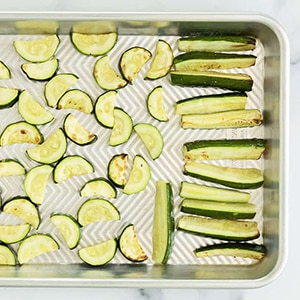
This simple recipe requires only two ingredients: zucchini and olive oil. Start the recipe preparation by inviting the children to observe the color, shape, and texture of the zucchini that will be used in the recipe. Then slice a few zucchinis into either half moons or spears and spread the zucchini in a single layer in a baking pan. Next, ask the children to help you drizzle olive oil over the top of the zucchini, and then toss the zucchini until it’s covered with olive oil. You might also sprinkle the zucchini with salt and pepper, parmesan cheese, or other toppings that appeal to little ones. Bake in the oven for about 10 minutes at 425°F, or until the zucchini is soft and slightly brown. This zucchini dish can be enjoyed while warm or after it has cooled.
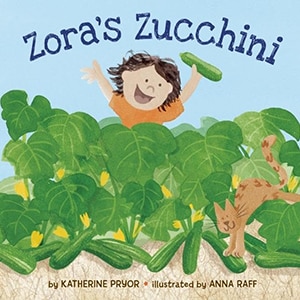
This book, written by Katherine Pryor and illustrated by Anna Raff, tells the story of a young girl named Zora who sees zucchini sprouts at a local market and decides to plant them in her garden. The book explores all of the different recipes that Zora and her family make with their zucchini, and how she connects with her local community members to exchange produce from their gardens. A free read-aloud version of this book is available here.
Summer is stone fruit season, when we get to enjoy delicious favorite fruits like peaches. Peaches engage all of the senses, with their sweet scent, fuzzy texture, interesting colors, large seeds in the middle, and flavorful juiciness!
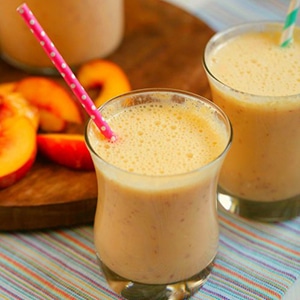
This simple recipe requires only a few ingredients: fresh peaches (with pits removed), greek yogurt, water, and ice. Start by cutting peaches in half, and then removing their pits. Once removed, invite little ones to take a look at the pit’s texture and shape.
Encourage children to help you prepare a peach smoothie by scooping yogurt and ice or helping to pour water into the blender. This smoothie can be easily changed or adjusted, such as by adding berries for flavor or a little bit of honey for extra sweetness. Blend the ingredients until smooth, and then pour the peach smoothie into small cups to serve to the children.
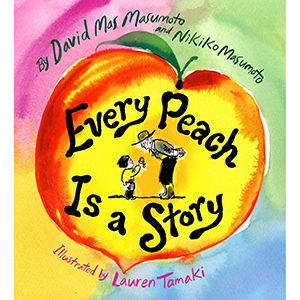
This picture book, written by authors and farmers Nikiko Masumoto and David Mas Masumoto, with illustrations by award-winning artist Lauren Tamaki, tells the story of a Japanese American family’s peach farm. The story highlights what life is like on a peach farm and how sunshine and water help the fruit grow. The book also demonstrates the importance of connecting to our heritage and ancestors.


